Starting at a new customer, how was that?
Jordy: We often kick off a new engagement with a Proof of Concept. The goal here was to show the customer what working in the cloud looks like and how to build a highly available, resilient infrastructure. We took a piece of their existing setup and migrated it. Based on the outcome they decided to extend the engagement.
The PoC was already underway when Richard and I joined, so I started mid-stream. It was a lot to take in, but it was okay to ask every question I had: that’s how I got up to speed and could contribute.
Richard: I joined a month after Jordy, so the PoC was in its final stage. I came from on-premise, so jumping onto a fast-moving cloud project was a challenge in a good way. Terraform and Ansible were new to me, but I knew PRTG well, which the customer relies on 24/7. That gave me a foothold to start contributing immediately.
What did you learn during the PoC phase?
Jordy: Early on I was pairing with Mike, our CTO, and picked up a lot in a short time. Once Richard joined, I could pass that on and help him get going with Terraform.
Richard: Beyond Terraform and Ansible, we made progress because we were good sparring partners. We both have experience automating things and a real preference for it; that compounds when you’re paired up.
What does deploying with Infrastructure as Code give the customer?
Jordy: This is why I came to The Factory. I didn’t want to do ClickOps anymore. I wanted to deliver a platform the customer can rely on, and that they can build on without it slowing them down.
We deploy faster now because we reuse code we’ve already written and reviewed. That’s where the trust comes from.
What does the customer’s setup look like today?
Richard: It’s still hybrid, and the cloud direction is right for them. The PoC made the case visible:
1. We can patch services during the day in their environment.
2. We look at the platform differently, which surfaces things they hadn’t seen.
3. Along the way, we resolved network issues that had been outstanding for a long time.
That combination: the platform, the new perspective, and a few quick wins: is what built trust. The migration is moving forward because of it.
What does day-to-day work look like for you?
Jordy: The scope is broad: Windows, Linux, a long list of applications, and most of the Azure surface that’s relevant to the customer. It’s a dynamic environment to work in.
What do you talk about when you’re not talking about work?
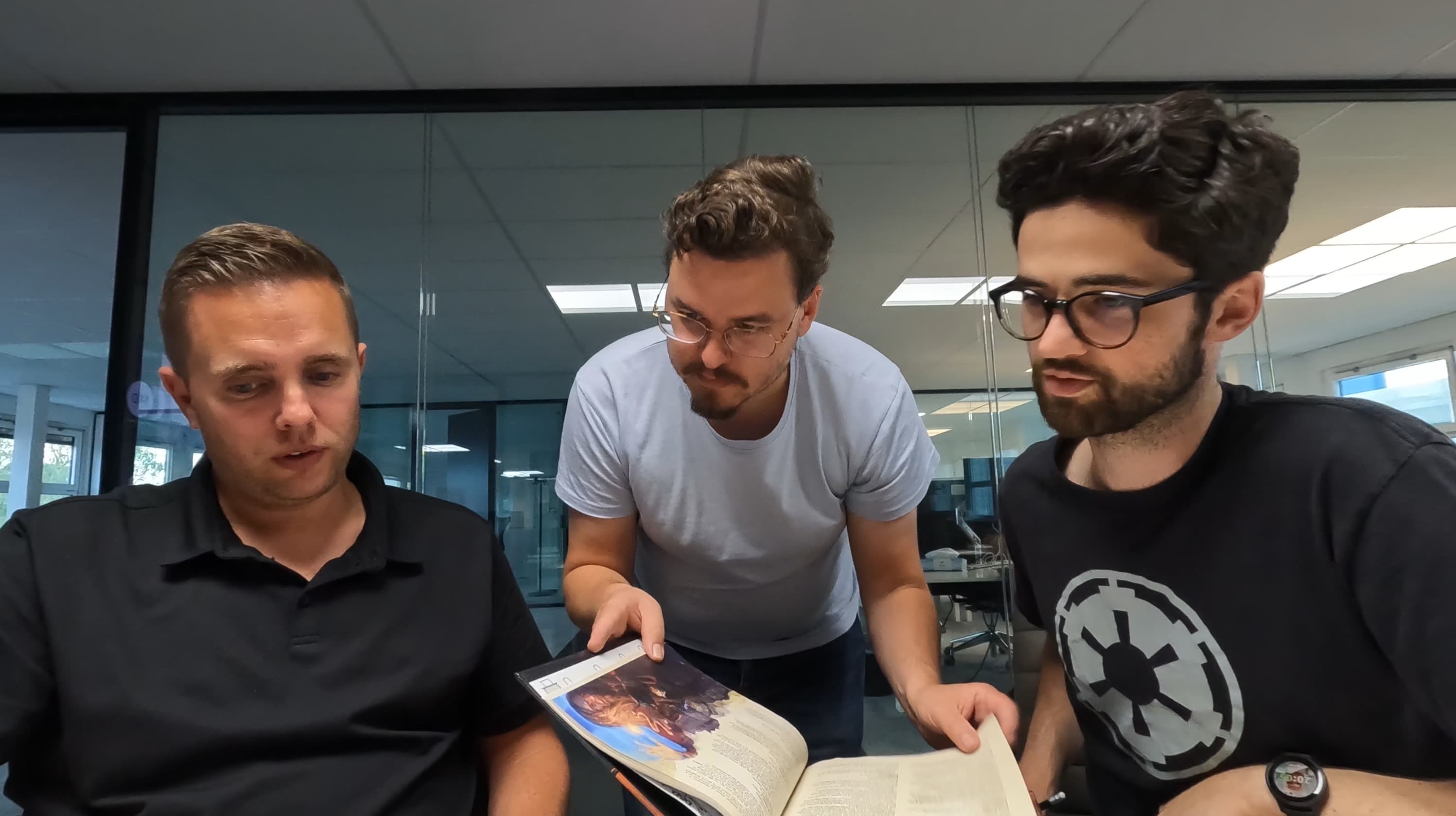
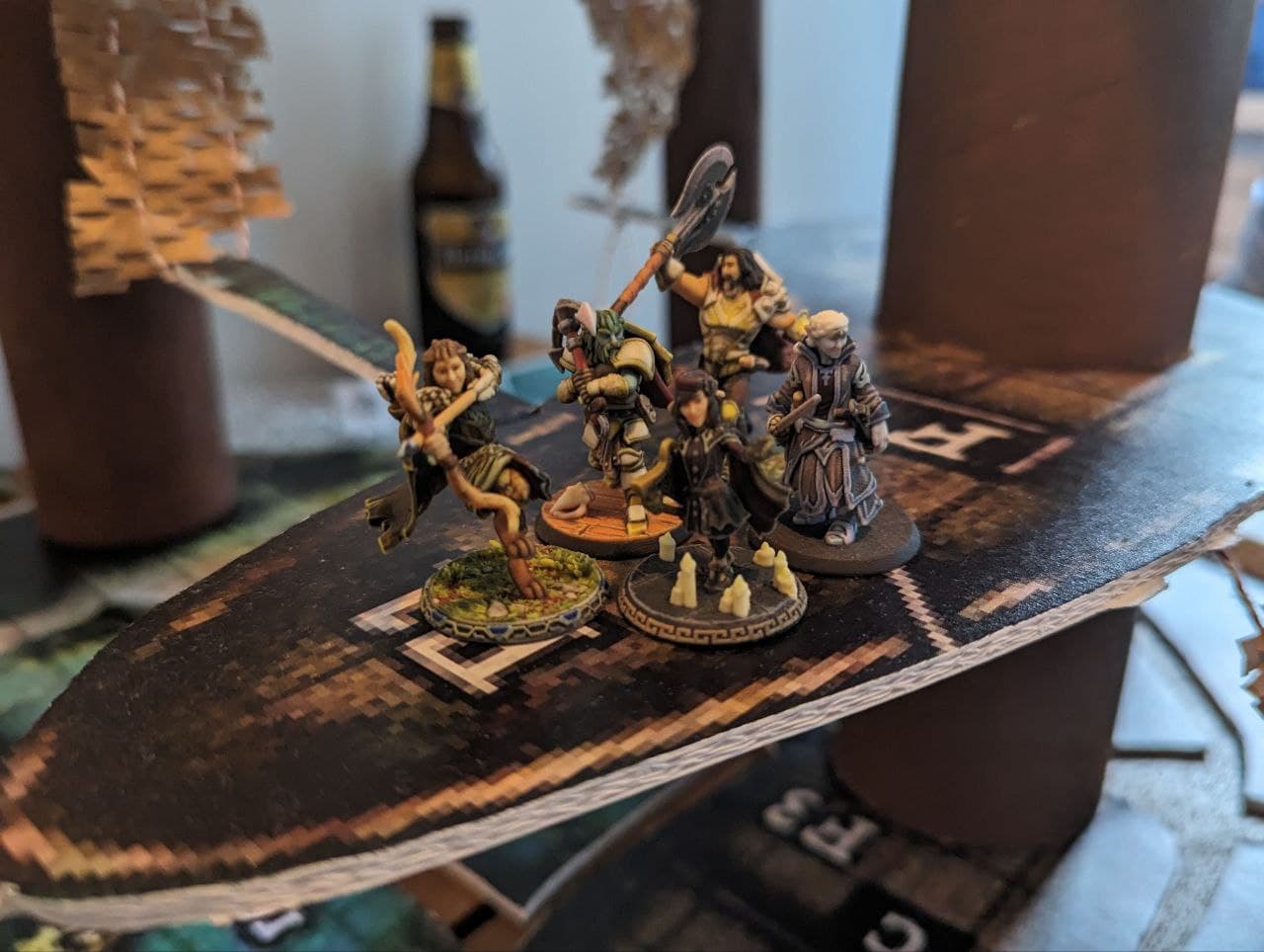
Richard: Dungeons & Dragons. It’s a tabletop fantasy game you play in a group, building the story together. I’ll be running a short adventure for The Factory soon: eight to ten colleagues are interested.
Where does that interest come from?
Richard: I’ve always liked reading and stories. There are books where you choose your own path: fight, run, talk. D&D is like that, except you build the story with other people.
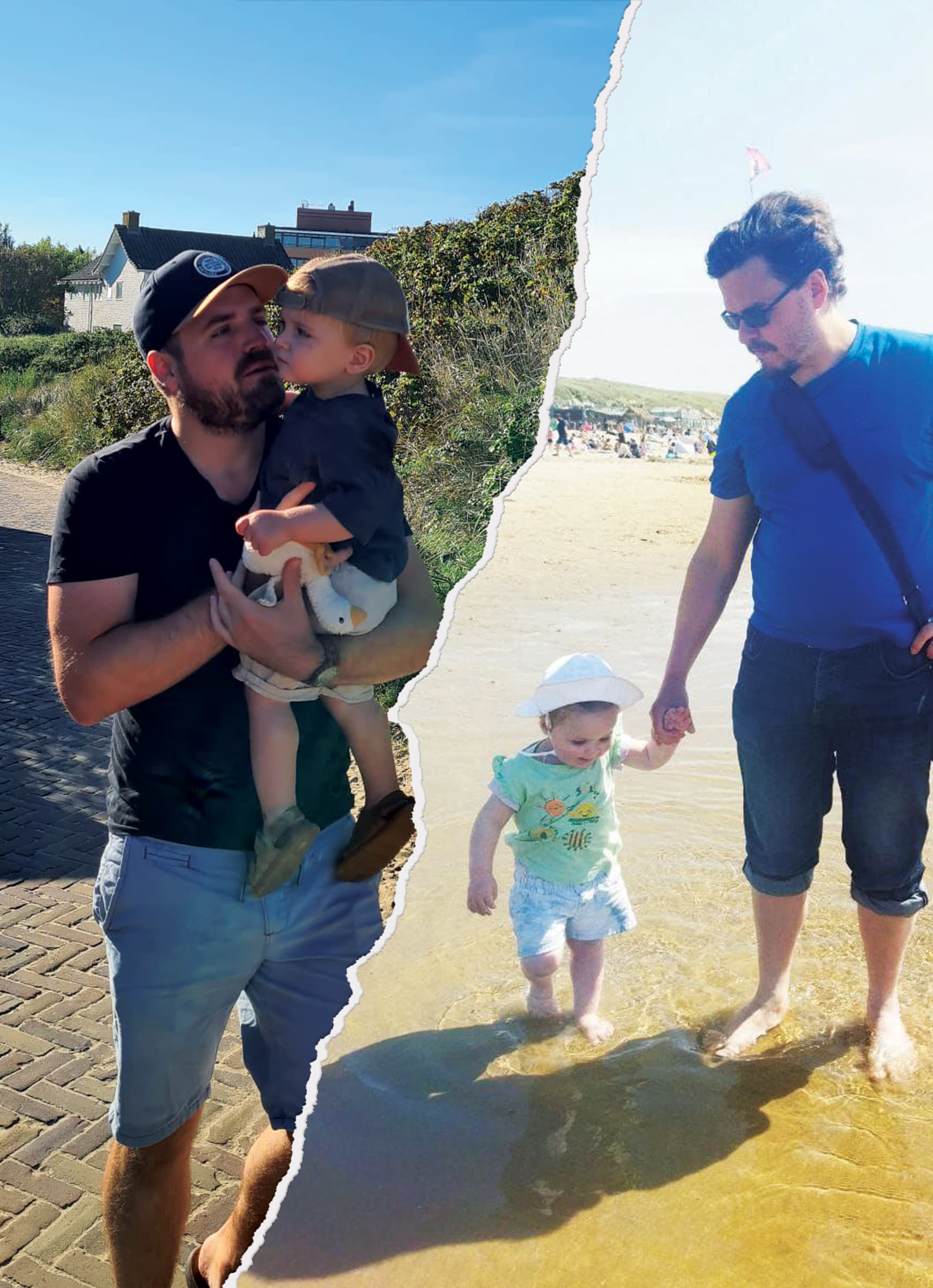
Jordy: I have a son who’s 19 months old, so my hands are full. If I had a weekend on my own I’d go simracing: but I’d rather have my partner and son with me.