Real ownership
You stay on the architecture and delivery path: landing zones, cluster upgrades, pipeline hardening. Not ticket-chasing on someone else’s design.
We hire engineers who love technology, solve hard problems, and go the extra mile. RFCs over slide decks, production systems over proof-of-concepts. Boutique team in Rijswijk, working with Dutch enterprises on AWS, Azure, Kubernetes, and the tooling around them.
We love technology, innovate deliberately, and use AI where it belongs in delivery and platforms. We stay close to the customer business so their infrastructure stays ahead. If tough platform problems and room to grow sound like your week, you will fit here.
You stay on the architecture and delivery path: landing zones, cluster upgrades, pipeline hardening. Not ticket-chasing on someone else’s design.
Small teams, short lines. Reviews focus on systems and trade-offs. Pushback on scope or risk is expected when it is specific.
Terraform, Kubernetes, GitOps, observability, policy-as-code, and AI-assisted delivery where it speeds review and automation without weakening guardrails.
We reserve time for learning, internal sessions, and sensible on-call boundaries. Sustainable delivery beats heroics that do not survive handover.
Cloud platforms and the integrations around them: landing zones, identity, guardrails, CI/CD, and glue between systems. Expressed as code; Terraform where it fits; AI where it makes delivery faster and safer.
We needed group membership in Entra ID to drive temporary AWS permissions faster than the default directory sync cycle allowed. We designed a small, auditable automation path on a tighter cadence so developers could get short-lived access without weakening access-review trails.
Terraform modules, account vending, guardrails, and CI/CD plans that finance and security reviewers can follow. Built so the client platform team owns the baseline after handover.
Karpenter migrations, node consolidation, and observability wired to the release path. The kind of work where small infrastructure choices show up clearly on the invoice and in the pager.
Platforms and tooling our engineers operate weekly, not a logo wall.
We work alongside client teams on cloud platforms that carry revenue: landing zones, Kubernetes platforms, and CI/CD paths. We aim for deliverables they can extend once we step back.
RFCs, ADRs, and runnable docs beat hallway lore. When IAM boundaries, network paths, or blast radius are still fuzzy, we tighten them before merge, not during an incident call.
We document decisions in the same repositories as the code. Two years in, the platform should still make sense to the people running it. Read more about our engineering culture.
Experiment safely, improve with evidence, learn when telemetry contradicts assumptions, share artifacts someone else can rerun.
We probe safely: limited blast radius, sandboxes, game days, and reviews that focus on systems, not individuals. Curiosity is welcome where it cannot take down customer workloads.
Training portals, meetups, and technical challenge: everyone keeps current on AWS, Azure, and Kubernetes at their own pace.
Short RFCs, paired delivery, and measurable reliability: we turn fuzzy asks into concrete controls and pipelines.
Talks, internal demos, and client workshops when it helps. Sharing cuts tribal knowledge risk and raises the bar for everyone.
WTF sessions, learning budget, and community involvement: practices we run on purpose so depth compounds instead of decays.
Monthly What The Faqtory! (WTF) sessions: engineers walking through real customer work, technical deep-dives, demos, home experiments, and what did not work.
Pluralsight and A Cloud Guru access, a real budget for certifications, and study agreements where the topic justifies it.
We attend and speak at meetups, follow the AWS, Azure, and Kubernetes communities, and back engineering events that keep the field honest.
Recent internal session topics include landing-zone patterns, Karpenter migrations, GitOps trade-offs, cost-aware EKS, and AI in platform delivery.
Not stock recruitment portraits. Colleagues on what they build, how they got here, and what they do when the laptop closes.
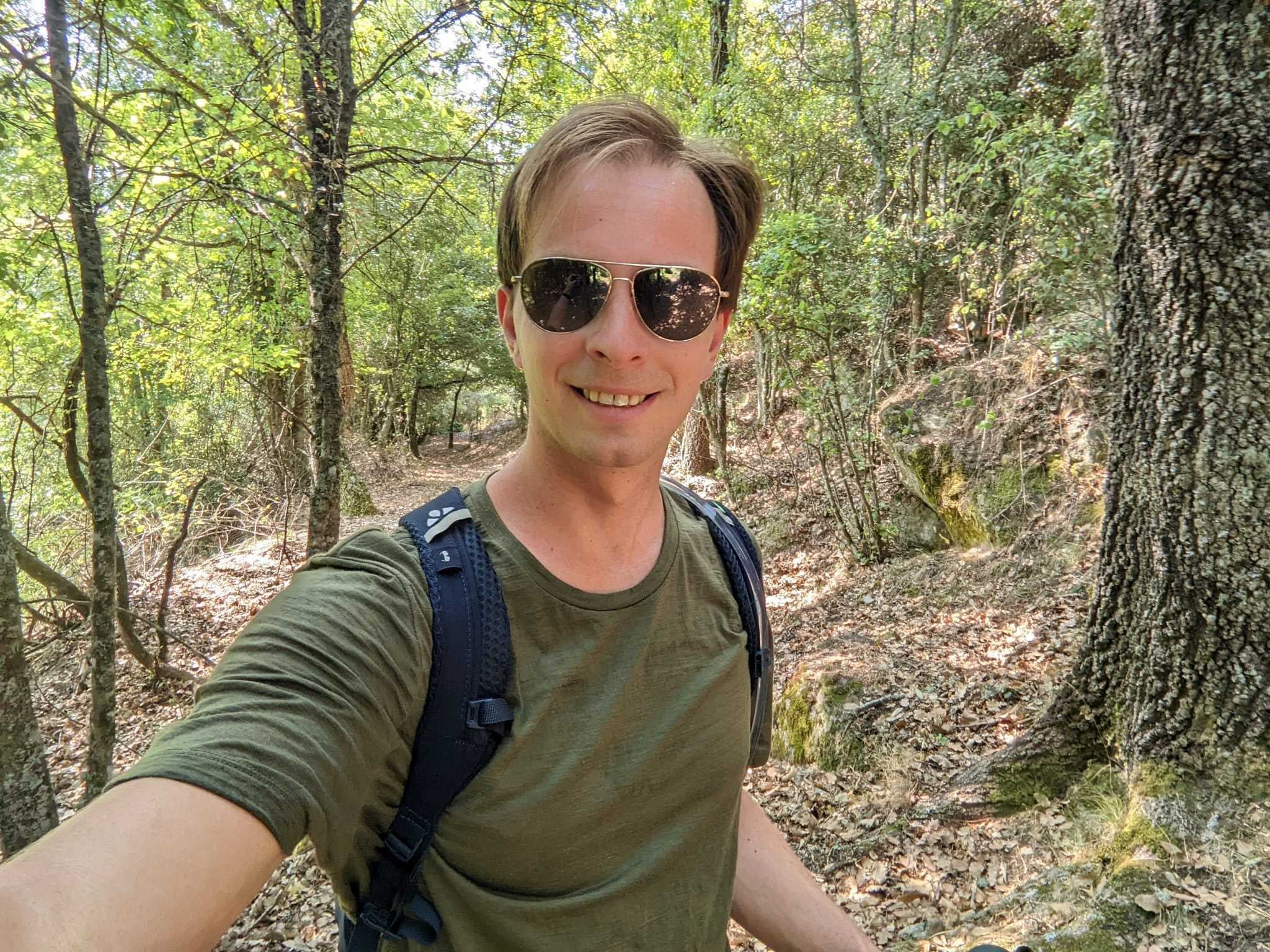
Pipelines, reliability, and the same stamina he brings to long mountain trails.
Read the story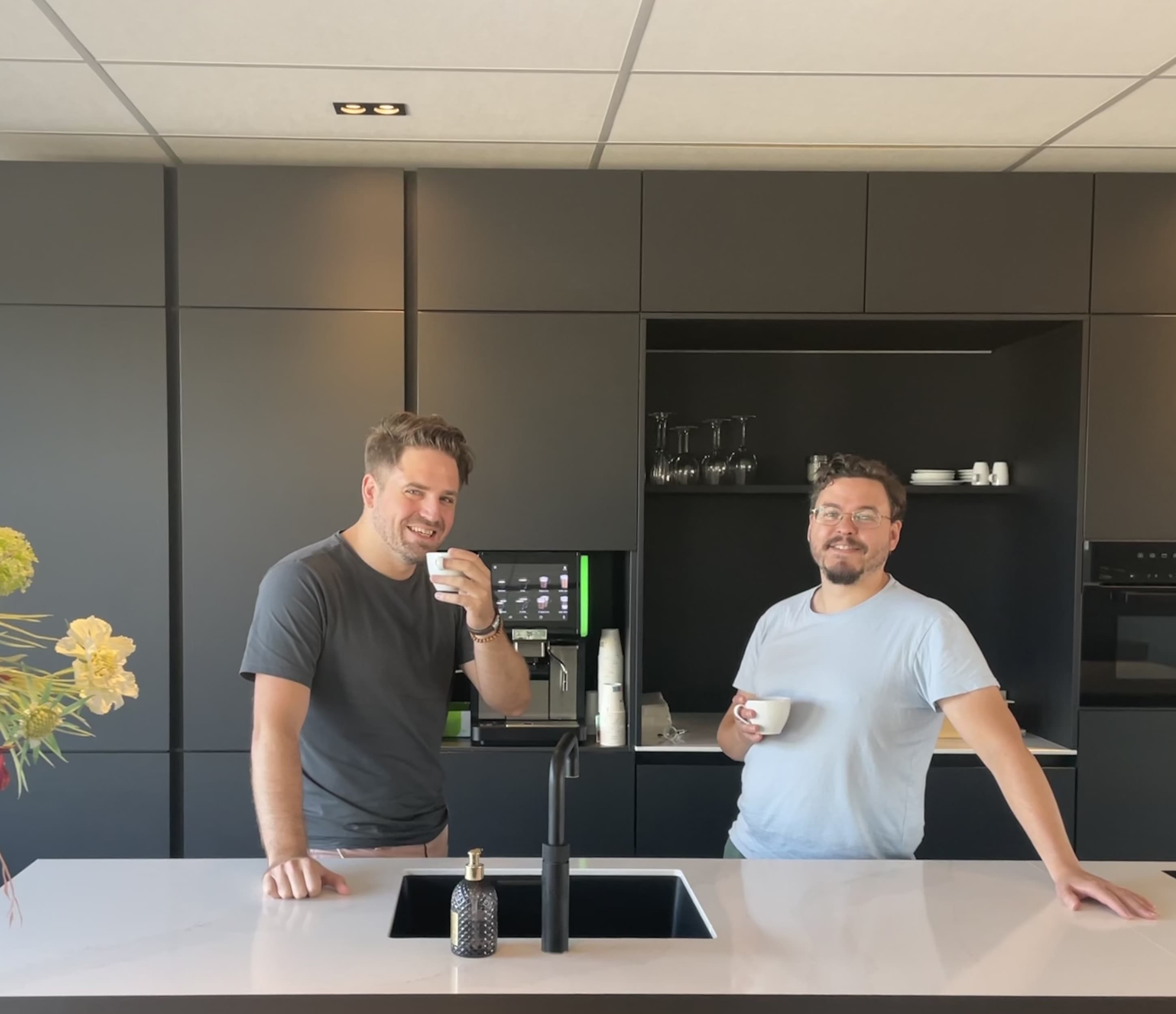
Ownership that shows up in incidents and architecture reviews alike.
Read the story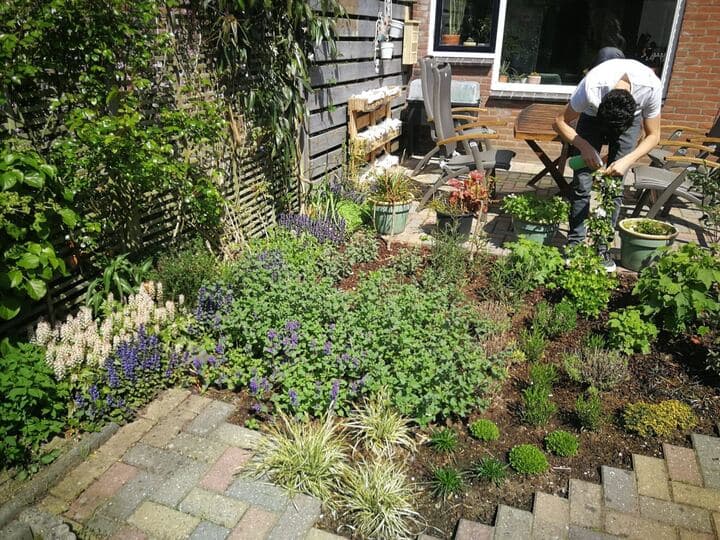
Client platforms by day; growing food in the garden on weekends.
Read the storyHybrid by default: home, our hub in Rijswijk, or with clients when the programme needs it. Output over desk time.
Staff augmentation, project work, and managed services sit side by side. All paths stay technical.
Usually two conversations, sometimes three, then a written offer if there is a match. Bring questions; the decision matters to both sides.
Who you are, what you are looking for, and an honest picture of how we work.
Walk us through a design you have shipped or demo something you are proud of. We ask about trade-offs; you should ask the same of us.
Coffee at our office or a location that works for you.
Written offer, screening where client requirements demand it, then paired onboarding.
We are not a graduate programme, but we do hire ambitious engineers who learn fast and take ownership. Our focus lies on public cloud, yet we also hire people without years of public-cloud delivery behind them. We endorse hybrid cloud in practice; with sovereignty requirements on the agenda for many Dutch organisations, that blend is more relevant than it has been in years. Our work spans DevOps, cloud-native development, AI infrastructure, and platform engineering. Client work asks for credible judgement, curiosity, and follow-through. If you love automation, seek out hard problems, and go the extra mile, we would like to hear from you. Mentorship, pairing, and real project responsibility are how many of us grew here.
Hybrid is the norm: home, our hub in Rijswijk, or on site with a client when the engagement needs it. We agree travel and location expectations up front, and we judge the work on output, not desk time.
Our delivery spans staff augmentation, project work, and managed service assignments. Some roles focus on architecture-led programmes; others include operational responsibility for platforms we run with clients. We discuss which path fits during the first conversation.
Yes. Direct applications are welcome via the listings above or a short note to recruitment@thefactory.nl. See our Recruiter FAQ if you are an agency.
Pick something you have actually built or operated. Be ready to explain constraints, trade-offs, what you would do differently, and how the system behaved under failure. Whiteboard sketches and demos both work.
Typically two to four weeks from first call to offer, depending on calendars and whether an on-site meeting makes sense. We do not run endless panel rounds.